
Abdominal ultrasound
Liver, gallbladder, pancreas and spleen; used for selected abdominal symptoms.
Clinician-directed blood investigations, from urgent point-of-care markers to detailed laboratory panels. Every result sits within a clinical assessment.
All clinical services are subject to assessment and availability. Life-threatening emergency? Call 999.
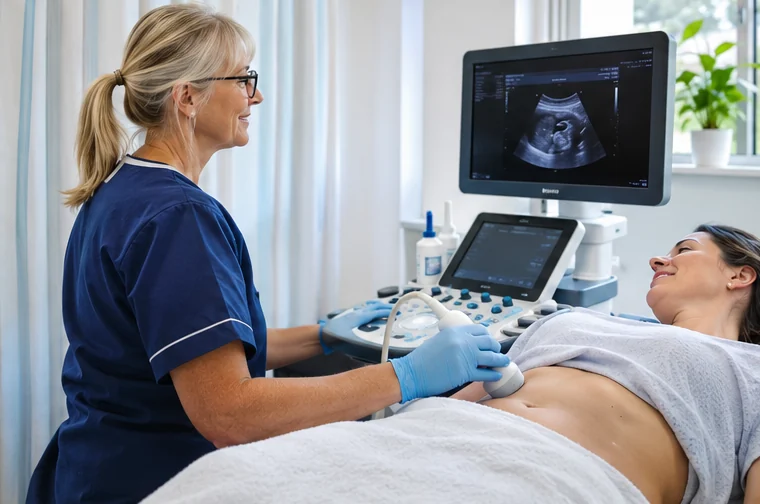
Your GP or clinician confirms the appropriate scan.
Liver, gallbladder, pancreas and spleen; used for selected abdominal symptoms.
Kidneys and nearby structures, including assessment of certain flank or urinary symptoms.
Pelvic organs and selected pelvic pain or discomfort.
Thyroid nodules, neck swelling and soft-tissue concerns.
Lumps, swelling and superficial tissue concerns.
Assessment of pain, swelling and lumps when clinically appropriate.
Preparation depends on the exact examination, so follow instructions from the clinical team.
Tell reception what your GP or consultant has requested.
Some abdominal scans require fasting; some pelvic scans may need a full bladder.
The clinician or sonographer will explain the examination and consent.
Results can be shared with the requesting clinician or your GP.

Ultrasound uses sound waves to examine organs, blood vessels and soft tissues. Some examinations need preparation, which the team should explain in advance.
Start with the section most relevant to your questions. Each service page brings together practical information, clinical context and clear enquiry routes.
Information is general and does not replace a clinical assessment.
The published dedicated clinic operates Tuesday and Wednesday, 8:30am–2:30pm. Other times may be available on request.
No, conventional ultrasound uses sound waves rather than ionising radiation.
Yes. Contact reception to confirm the next ultrasound clinic session.